


When people ask me about what I do as a software engineer, they often expect me to talk about lines of code, algorithms, or frameworks. Those things matter, of course—but if I had to describe my work in one word, it would be collaborative.
Nothing I help build exists in a vacuum. Every tool, every feature, every dashboard is the product of a team coming together with different skills, experiences, and perspectives.
What excites me most is that this collaboration doesn’t only lead to better technology but also better outcomes. The real measure of our work is whether it helps people make healthier decisions and builds trust in the communities we serve. That’s the lens I carry into every project.
Collaboration as a Safeguard Against Tunnel Vision
On any given day, my team balances ideas from senior architects, newer developers, and colleagues in product, data, security, and community engagement. This mix is necessary. Looking only from the top-down risks missing the details. Looking only from the bottom-up risks missing the bigger picture. By working together across levels, we avoid tunnel vision.
This point matters because our tools serve real people, not abstract use cases. Community members bring lived experiences that may reveal blind spots. Business partners help us refine what success looks like. Data experts push us to validate insights with rigor. That cross-pollination of ideas, steeped in reality, makes our software stronger and, most importantly, more trustworthy for those who depend on it.
Building With, Not Just For, the Community
As developers, we can make a tool function. But that doesn’t automatically mean it works for the people it’s intended to serve. That’s why we embed ourselves with external teams—community, product, business, and more. Their feedback ensures the tools we create extend beyond function to truly resonate.
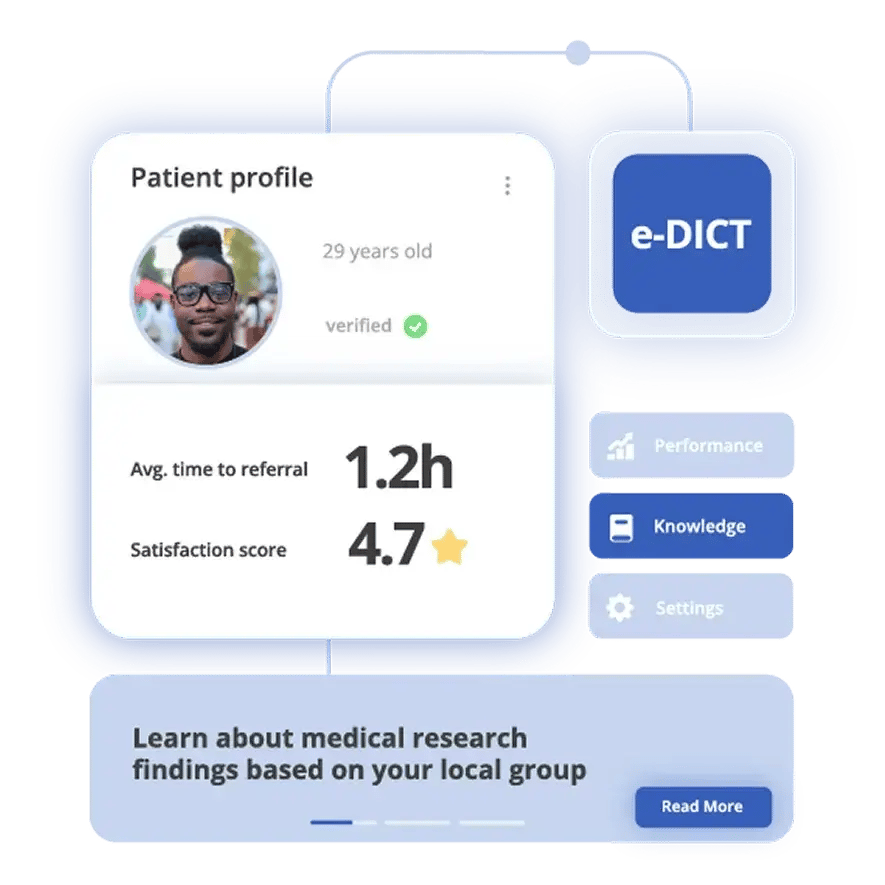
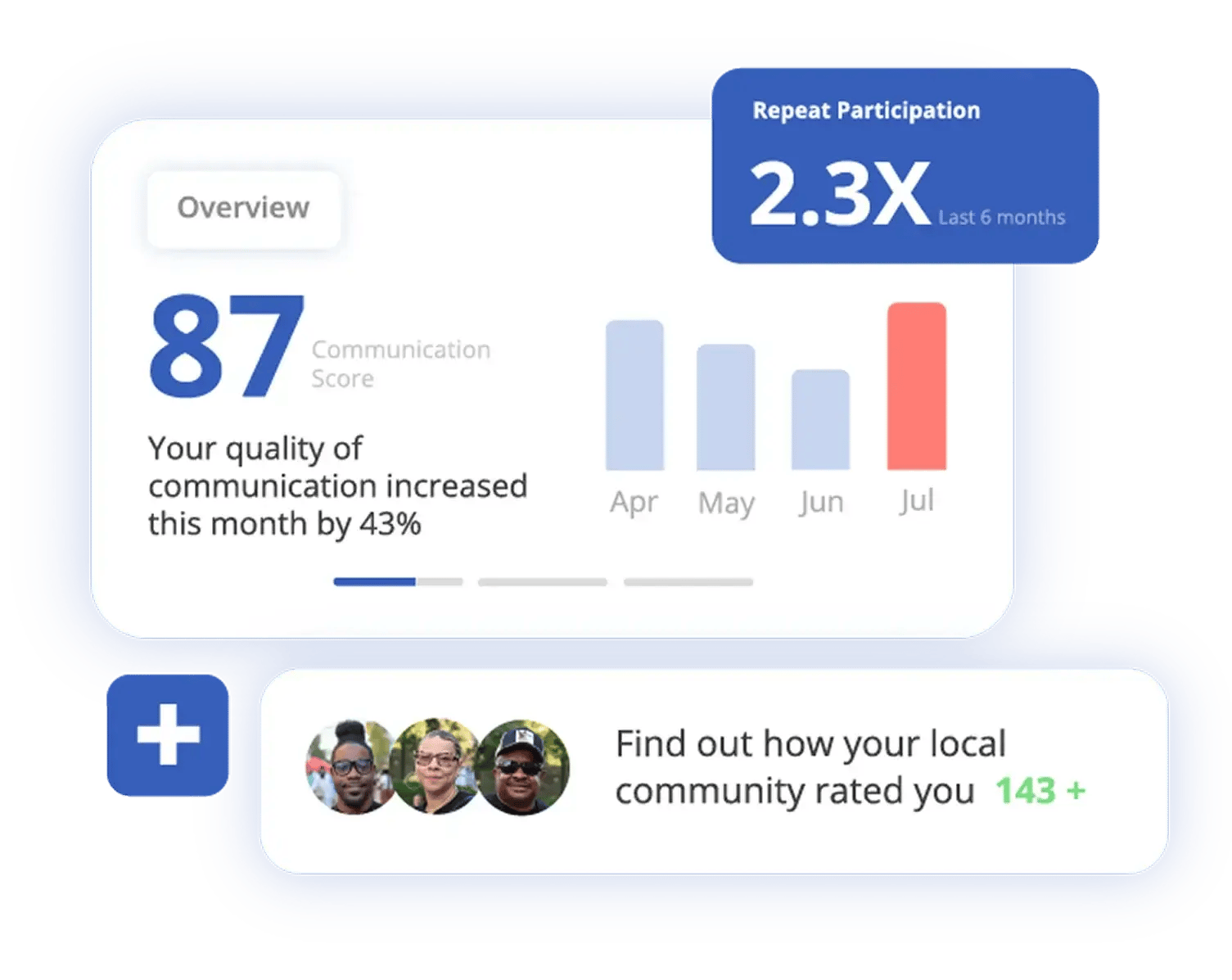
A concrete example is Acclinate's dashboard and reporting tool, e-DICT™. On the surface, it’s a way for program directors to track KPIs. In practice, it’s a living feedback loop. By making it interactive—allowing users to filter by dates, fine-tune metrics, and see how community members are engaging—we created something that helps everyone spot patterns and adjust in real time.
That tool exists only because we listened and continue to listen. And the impact shows up not in the code itself, but in the better decisions people are able to make because of it.
The Small Decisions That Matter Most
Sometimes the biggest impacts come from small engineering choices. Changing a button color or reducing the number of clicks between pages may sound minor, but they influence how people feel about technology and whether they use it.
Here’s another example: survey collection. Some community members prefer paper. Others are more comfortable scanning a QR code. Recognizing that diversity of preference, we supported both options. On the surface, it’s a light lift technically. In reality, it made a huge difference in inclusivity and the quality of the data we collected.
Meeting people where they are leads to insights that would otherwise be lost—and those insights, in turn, shape more effective programs.
Moving Fast Without Sacrificing Trust in Clinical Research
The nature of our work demands speed. Healthcare and clinical research move quickly, and we have to keep pace. Tools like AI help us accelerate—but speed without accountability is reckless.
For this reason, we rely heavily on documentation, thorough testing, and consistent validation. We review every feature not just for performance, but for accuracy and fairness. Security teams set protocols so that if something goes wrong, we’re ready to respond. We constantly check our “locks” to safeguard the trust people place in us. Because in our field, one breach or one bad data point doesn’t only hurt a system—it can damage real people’s willingness to participate in research and seek care.
AI: Technology and Health Equity Go Hand in Hand
When I think about health equity, I see technology as a bridge. At its best, tech removes barriers. It takes on repetitive or manual tasks so people—patients, providers, community leaders—can focus on humans. It creates space for conversations, storytelling, and connection that ultimately drive better health decisions.
To reflect on this point, let’s look at AI. I like to compare AI to moving from a handheld screwdriver to a power drill. Both can get the job done. But the power tool makes the work faster, cleaner, and more scalable. AI helps us move from idea to product with fewer hurdles. In this sense, it removes tasks that would otherwise demand our full attention, empowering people to think about big-picture ideas and solve real challenges faster.
The obstacle, and the opportunity, is to keep the process human-centered, a principal priority here at Acclinate. AI won’t solve problems on its own. People still guide the direction, provide the context, and define what matters. With AI as a tool, we can spend less time on the menial tasks and more time on the value-driven work that creates measurable improvements in people’s health. And it will continue to take deep collaboration to realize this outcome.
Better Tech From Mission-Driven People, Mission-Driven Culture
What excites me most about being part of Acclinate’s team is not just the technology, but the people. Everyone here is motivated by the mission: closing gaps in healthcare access and making equity a reality.
That shared purpose creates a culture where collaboration thrives. Leadership gives us opportunities to engage directly with communities, so we see the impact of our work firsthand. Colleagues are quick to roll up their sleeves, not because they have to, but because they want to. The mission drives us all in the same direction, and that’s powerful.
I’m optimistic about the future. Technology has already solved problems that once seemed insurmountable—everything from air conditioning to space travel. In healthcare, we’re still facing massive challenges, but I believe we have the creativity and collaboration to overcome them.
As a software engineer, my role is a small piece of that puzzle, but it’s one I take seriously. If the code I write today helps someone access care tomorrow, that’s impact I can feel proud of. To me, that’s the real power of collaboration in software development: it turns abstract lines of code into better decisions, healthier communities, and improved lives.
Want to learn more about Acclinate’s approach to technology development? Schedule a 1:1 with our team.