




Subpar enrollment remains one of the most common causes of trial delays. But sponsors often miss a key factor: underrepresentation. Lack of diversity is just as detrimental to compliance as it is to successful trial rollouts, leading to slower recruitment, protocol amendments, and uneven site performance. These challenges are rarely caused by lack of data, but by how data is used.
With the right framework rooted in authentic community connection, predictive analytics for trial enrollment allow research teams to move from reactive adjustments to proactive planning. When applied thoughtfully, analytics can help identify where engagement is likely to succeed, where barriers may emerge, and how outreach strategies should adapt.
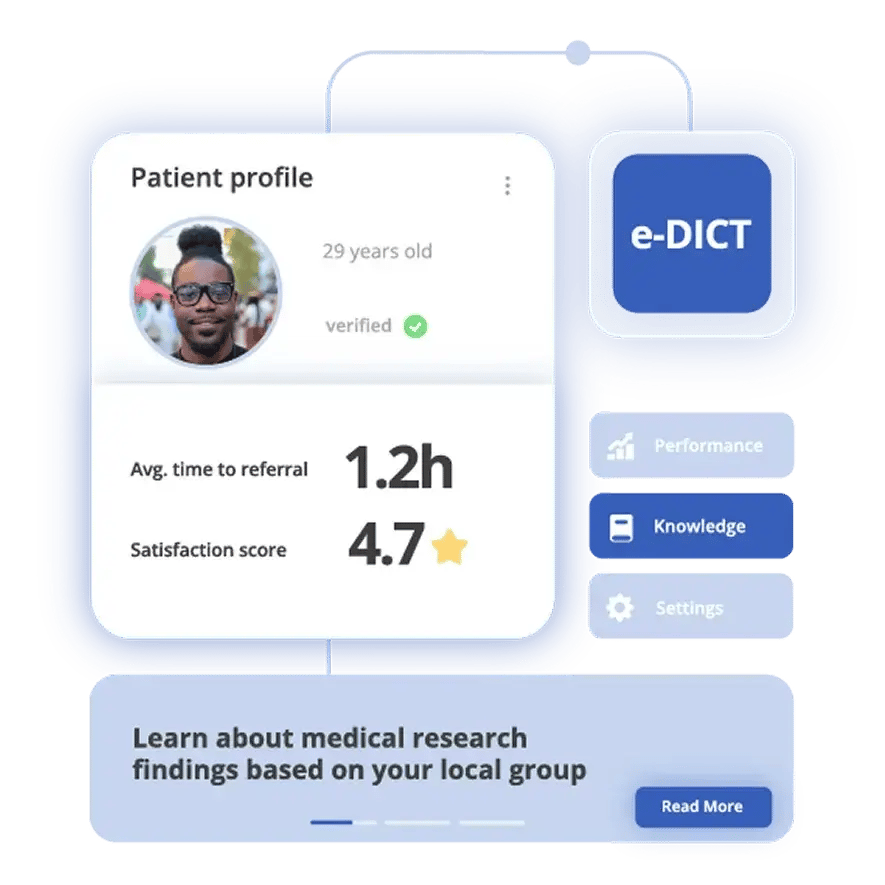
Acclinate applies its intelligent platform, e-DICT™, with a specific goal: supporting data-driven inclusion rather than volume-based recruitment.
The Limits of Traditional Enrollment Forecasting
Many enrollment models focus on historical averages, site capacity, or broad population statistics. While useful, these inputs often miss how real communities engage in real time.
Static forecasts can’t account for:
- Shifts in community sentiment.
- Engagement fatigue from overlapping studies.
- Local access constraints.
As a result, teams may recognize enrollment gaps only after timelines slip. And with more and more medications failing to even reach market rollouts, sponsors can’t afford to prioritize representation late in the game.
Clinical trial enrollment analytics are most effective when they integrate behavioral signals and engagement context alongside traditional metrics (e.g., demographic data), which is exactly how Acclinate works.
How Acclinate Uses Predictive Analytics
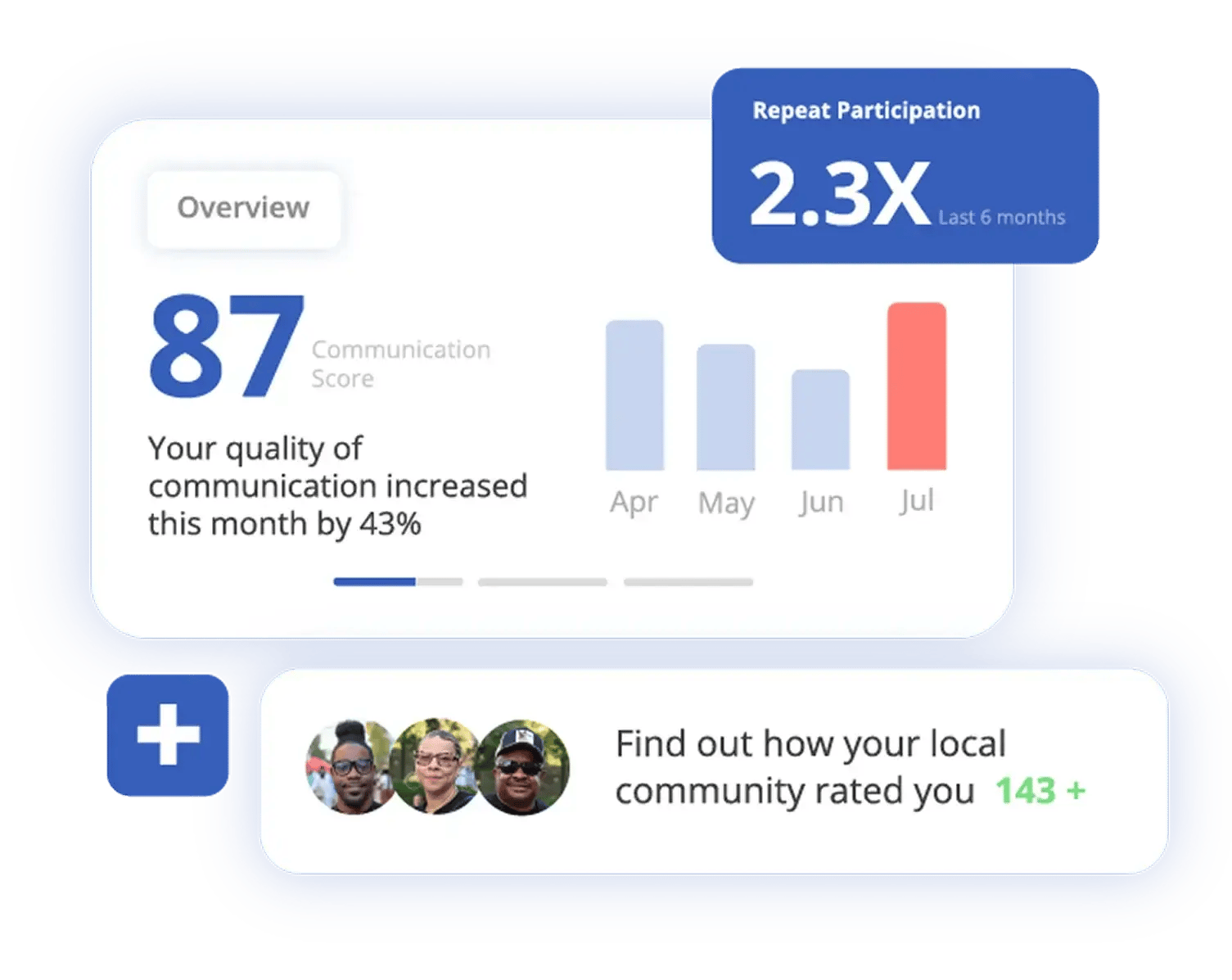
Acclinate’s predictive approach combines engagement data, participation patterns, and community insight to guide decision-making. Rather than predicting outcomes alone, these tools help inform where intervention is needed earlier.
Acclinate’s predictive analytics for trial enrollment support:
- Smarter targeting based on engagement readiness.
- Improved timing of outreach.
- Better alignment between sites and communities.
These advantages allow teams to act before gaps widen, rather than correcting course under pressure.
Supporting Equitable Data-Driven Patient Recruitment
Data-driven patient recruitment works best when analytics inform strategy, instead of replacing relationships. Acclinate’s model uses predictive insight to support human-led engagement rather than automate it away.
Outreach strategies can be refined based on:
- How communities respond to messaging.
- Which channels support sustained engagement.
- Where education is needed before participation.
These actionable use cases help reduce inefficiency and improve relevance, particularly among historically excluded populations.
Improving Clinical Trial Site Selection and Planning
Predictive analytics also play a role in smarter site selection. By understanding where engagement is already developing, research teams can prioritize locations that align with community readiness and access.
This supports:
- Faster enrollment ramps
- More consistent site performance
- Better participant experience
When paired with community engagement infrastructure, analytics become a planning asset rather than a reporting tool.
Using Data to Support Inclusion at Scale
Predictive analytics for trial enrollment become more valuable over time as engagement data accumulates. Each interaction adds context that improves future planning and outreach.
This compounding effect supports research programs that aim to improve inclusion across multiple studies. And with Acclinate’s NOWINCLUDED community platform, sponsors can ensure they have the most authentic data available to power better decisions.
Ready to learn more about Acclinate’s predictive analytics technology? Schedule a 1:1 with our team.
FAQs: Predictive Analytics for Trial Enrollment
What is predictive analytics for trial enrollment?
It uses community engagement data patterns to anticipate enrollment performance and gaps.
How does Acclinate’s predictive analytics platform support inclusion?
Identifying where engagement and access barriers may arise early, our intelligent platform equips decision-makers with the best quality insights they need to concentrate their enrollment efforts.
Does analytics replace community engagement?
No. It informs and strengthens it, amplifying authentic engagement into tangible data for better research programs.
Can Acclinate’s approach improve timelines?
Yes. Acclinate accelerates research by reducing late-stage corrections, expanding participant pools, and helping sponsors reach equity goals.
Is Acclinate scalable across studies?
Yes, with increasing value over time. As your organization partners with Acclinate, your data will improve while strategies enhance representation efforts.