




Every project at Acclinate exists for a purpose that reaches beyond internal checklists. The work we map out eventually touches real people and real communities, which means the way we organize ourselves matters. Teamwork is the structure that carries a project from an idea to a meaningful result, and thoughtful coordination is what keeps everyone moving toward the same goal.
For me, project success begins with understanding the people involved. Each department brings its own strengths, its own perspective, and its own rhythm. When those pieces come together with clarity, even the most complex project becomes easier to navigate. Strong planning sets the stage, but strong teamwork brings the plan to life.
Start With the Team, Then Build the Plan
Before I think about timelines or tasks, I look at who needs to be involved. Knowing the point people across teams matters because our work rarely flows in a straight line. We juggle multiple projects at once, and each one connects to different areas of the organization.
Once the team is in place, I review what already exists. Have we done similar work before? What resources do we have? What did we learn from previous partnerships? Those early questions help me break down large goals into manageable sections and understand where we’ll need more focus or creativity.
That structure gives the whole team a clear starting point and makes the workflow easier to move through.
Know When the Plan Needs to Shift
Every project reveals clues when something needs attention. The biggest clue for me is repetition—when the same issue surfaces across multiple projects, it’s a sign that the process needs a second look.
Often, these moments point back to communication. Teams might interpret a client request differently, or a step that sounds clear in theory might feel confusing during execution. When that happens, the best move is to regroup and make sure everyone is aligned.
Adjusting early keeps small issues from growing into larger problems. It keeps the project responsive to what’s happening rather than what we expected at the beginning.
...when the same issue surfaces across multiple projects, it’s a sign that the process needs a second look.
Build Transparency Into the Workflow
Teamwork thrives when people feel comfortable speaking up. In fast-paced environments, questions and clarifications help keep the path steady.
Early in my time at Acclinate, I made a point to be open about what I know and what I need to revisit. When teammates ask for help or clarification, I respond with appreciation, not frustration. That simple reaction builds trust. It shows people that asking questions protects the work rather than slowing it down.
When everyone contributes openly, the entire team moves with more confidence.
Bring Different Perspectives Together
Strong collaboration grows from a mix of viewpoints. Each team sees the work through a different lens, and that mix often leads to better outcomes.
When opinions differ, I start by acknowledging what’s valuable in each approach. I also take time to look honestly at where my own perspective might have gaps. This side-by-side comparison often leads to a combined solution that’s stronger than the one any of us would have created alone.
This approach reflects something deeply rooted in Acclinate’s culture: listening well strengthens the work.
Keep the Main Thing the Main Thing
Projects move quickly, and the pressure to meet expectations can pull attention in several directions at once. That’s when I return to something my mom says all the time: keep the main thing the main thing.
At Acclinate, the “main thing” is our mission—to empower communities to take better actions for better health. That mission becomes the filter for decisions, timelines, and priorities. It helps us determine which tasks require immediate focus and which ones can shift.
Purpose brings clarity. And clarity helps the team stay grounded when a project picks up speed.
Support the Team Through the Process
Project coordination includes planning, but it also includes support. I try to approach my work with the understanding that everyone carries a full plate. What feels urgent to me may bump up against something equally important for someone else.
If delays come up, I appreciate hearing about them early. If someone needs clarity, I want them to feel comfortable asking. And if a quick conversation with another department will keep the project on track, I’m always willing to handle it.
These small acts of support are often the things that keep a project moving smoothly from one phase to the next.

Keep the Community in View
Even though much of my role sits behind the scenes, I try to think about how our decisions shape the experience of the people who will eventually receive the information we create.
I ask myself how the message might land for them. Would it feel clear? Helpful? Respectful? Easy to follow? Those questions matter because our projects ultimately connect with people who deserve communication that feels accessible and trustworthy.
Internal alignment directly affects how well the final message reaches the communities we serve.
What Success Truly Looks Like
Success shows up in completed milestones and clear deliverables, but it also appears in how people respond to the work.
I look for signs that community members are not only receiving information but acting on it—taking steps that help them make informed decisions about their health. That movement from awareness to action is where the impact becomes real.
Numbers help us track progress, but the lives we reach reveal the outcome.
What Energizes Me: Building Routines to Keep Our Team Grounded
With many projects moving at once, routines help me stay organized and steady. I write things down often, maintain digital notes, and revisit deadlines throughout the day. I check what shifted, what stayed the same, and what needs immediate focus.
These habits keep me grounded and make it easier to navigate overlapping priorities. But they also help me support our team to do the same.
That act of partnership is one of my favorite parts of this role. It’s the chance to collaborate with so many teams. It reminds me that the success of any project comes from a shared effort, and my part in that coordination helps everything come together.
I enjoy the internal conversations, the behind-the-scenes work, and the moment when all the pieces form a complete picture. Seeing a client react positively to the final product is incredibly rewarding, knowing how many hands shaped it along the way.
Collaboration brings our mission to life, and being part of that process motivates me every day.
It All Comes Down to Communication
Before joining Acclinate, I worked mostly on my own. Transitioning into a collaborative environment taught me how powerful consistent communication can be—especially when timelines are tight.
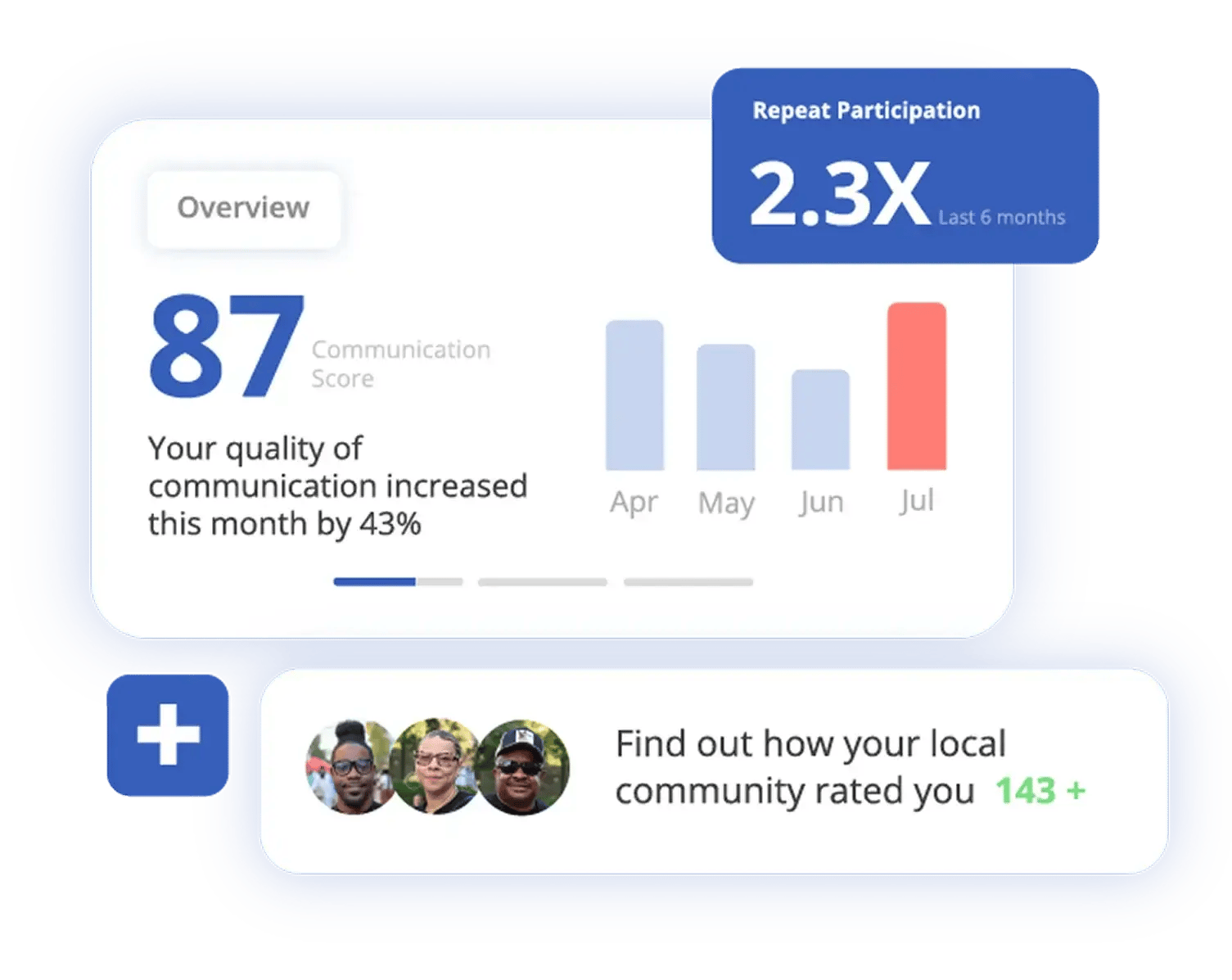
Clear communication keeps teams aligned and reduces confusion. It also helps everyone understand each other’s workloads and priorities. When communication stays steady, projects stay steady.
That rhythm of clarity and alignment is what makes real results possible.
Ready to see how Acclinate’s approach to teamwork can work for your research project’s equity goals? Schedule a 1:1 with our team.