


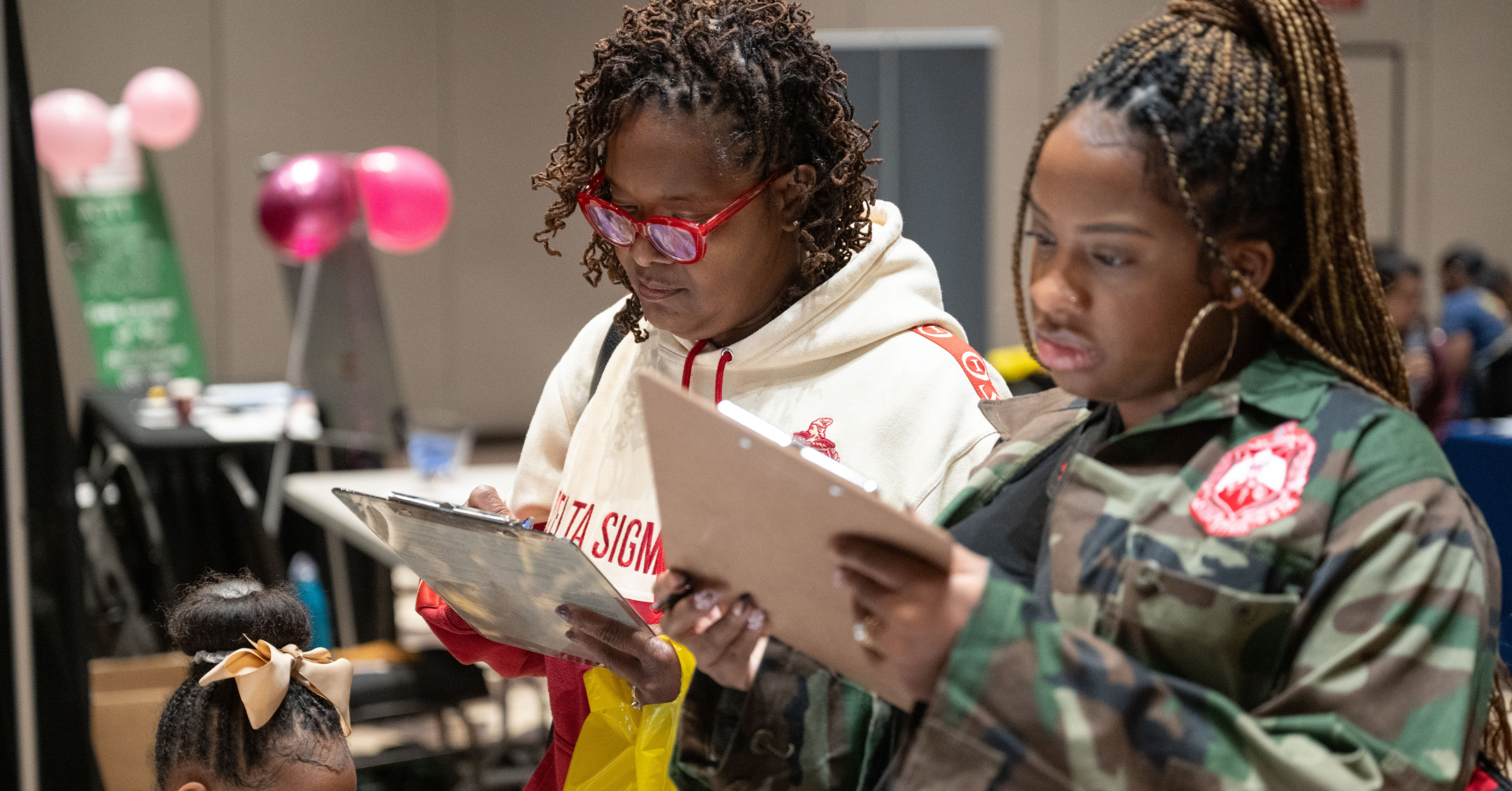

One of the clearest tests of the new NIH Women's Health Division will be whether more women,
especially women historically left out of research, are meaningfully represented in clinical trials.
At Acclinate, we're particularly interested in what it will take to make that happen.
On October 19, 2026, President Trump signed an executive order creating a women's health
division inside the National Institutes of Health, to be set up within 90 days, plus a White House
task force on women's health (STAT). According to an NIH spokesperson quoted by STAT, one
of the division's goals is to strengthen the inclusion of women in clinical trials.
That goal is the right one. It is also the hardest one. Funding, offices and strategic plans can be
announced in a day, but trust with the women a trial needs to reach is built over years.
Here is what our work with underserved communities through NOWINCLUDED has taught us
about clinical trial diversity, and what it will take to increase women's participation in clinical
trials.
Why Women are Still Underrepresented in Clinical Trials
The U.S. has required women to be included in NIH-funded trials since the NIH Revitalization
Act of 1993. More than 30 years later, representation remains uneven and in some areas,
significant gaps persist.
-
In acute coronary syndrome trials, women's share of enrollment actually fell from 27.8% (2001–2006) to 24.9% (2013–2018). Black participants held flat at about 5% (AJMC citing JAMA Cardiology).
-
More than 75% of those trials reported no race or ethnicity data at all.
-
Black women experience a particularly high burden of hypertension. Recent national data show hypertension prevalence is higher among Black women than women in other major racial and ethnic groups (SWHR).
The lesson: a mandate tells researchers who to include, but it does not tell them how to reach
those women, earn their trust, or keep them enrolled. That "how" is where most efforts stall.
4 Keys to Increasing Women's Participation in Clinical
Trials
1. Invest in trust before recruitment
Too often, the first meaningful conversation with a potential participant happens only after
recruitment begins, and sometimes the invitation never comes at all.
The goal should be to invest in a community ecosystem before there is an enrollment ask, so
research opportunities enter relationships that already exist rather than forcing every study to
build trust from scratch.
2. Design clinical trials around women's real lives
Trial participation competes with work, caregiving, transportation, healthcare appointments and
everyday life. If a protocol ignores those realities, inclusion can exist on paper while participation
remains impractical
Success means designing for that reality from day one:
-
Evening, weekend and remote visit options
-
Childcare, transportation and appropriate compensation for participants' time and expenses
-
Eligibility rules that don't screen out common conditions, like high blood pressure or diabetes, without a clear safety reason
-
Clear, plain-language consent that answers "what's in it for me and my family?"
3. Treat "women" as many groups, not one
A Black woman in Atlanta, a Latina in rural Texas and a white woman in Boston face different
barriers. Averaging them together hides who is still missing.
Increasing the number of women enrolled is not enough if aggregate gains conceal continued
underrepresentation among Black women, Latinas, older women, rural women, women with
disabilities, or other groups.
The division should require enrollment data broken out by sex and race, ethnicity and age, and
reported publicly. NIH has already named more accountability for sex as a biological variable as
a goal for the division. Intersectional data is the next step.
4. Measure Participation, Retention and Accountability
Many trials start with a diversity plan, then fall short once enrollment begins. A plan on paper
doesn't tell you whether women joined the study, stayed in it, or benefited from it.
To know whether this initiative is working, the division should track four things:
-
Who enrolls compared with who has the disease. If Black women make up a large share of people with a condition, they should make up a similar share of the trial.
- Who stays until the end. Signing up is only the first step. If women drop out because visits are hard to make, the data still leaves them out.
- Whether results are broken out by group. A study can include women and still never report how the treatment worked for them.
-
Whether participants learn what the study found. Returning results in clear, accessible language shows participants that their contribution mattered and helps create a foundation for future research relationships.
Women's Health Research Needs Community Infrastructure
A new NIH division can set policy, direct funding and establish accountability. But trusted
participation happens locally in clinics, churches, community organizations, peer networks,
digital communities and relationships built long before a study opens.
That is the model Acclinate runs every day. NOWINCLUDED is our trusted health community
and activation engine, reaching women where they are. AVA, our community intelligence
platform, helps sponsors see who is missing and why, before a trial opens instead of after it
struggles.
If this initiative wants to change who is in women's health research, it should treat communities as partners in the design, not as a recruitment pool at the end. We're ready to help make that happen.
Learn more about NOWINCLUDED and AVA
Want to see how community trust turns into real enrollment for women in clinical trials?
- For sponsors, CROs and research teams: Learn how AVA, Acclinate's community intelligence platform, shows you who is missing from your trial and why, before enrollment starts. Talk to our team.
-
For women and families: Join NOWINCLUDED, a trusted health community where you can learn about your health, share your story and find research opportunities that fit yourlife. Join NOWINCLUDED.
Sources
-
STAT: Trump orders creation of NIH division, task force on women's health (Oct. 19,2026)
-
AJMC: Minority, female and older patients remain underrepresented in ACS trials
-
Society for Women's Health Research: Black women and cardiovascular trials
-
Penn LDI: Who is missing from cardiovascular clinical research