




Key Takeaways
- Building health equity starts with trust—without it, even the best research or outreach strategies fall short.
- Authentic, ongoing community engagement fosters higher participation, richer data, and stronger health outcomes.
- True engagement means co-creation: listening, sharing power, and maintaining relationships beyond a single study.
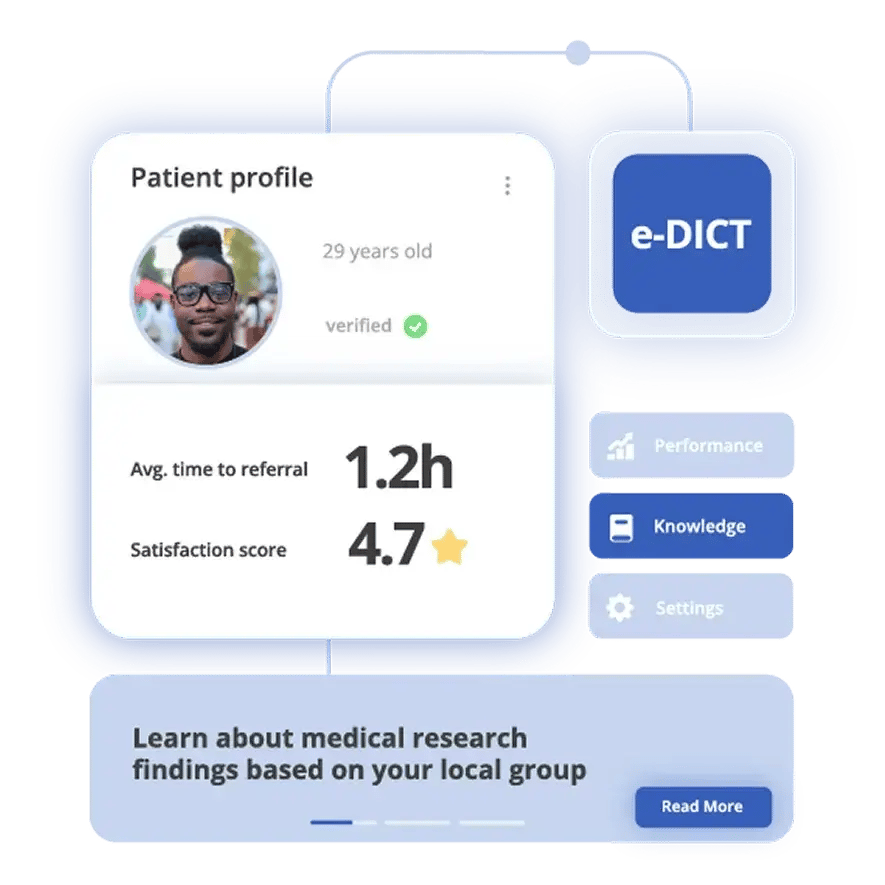
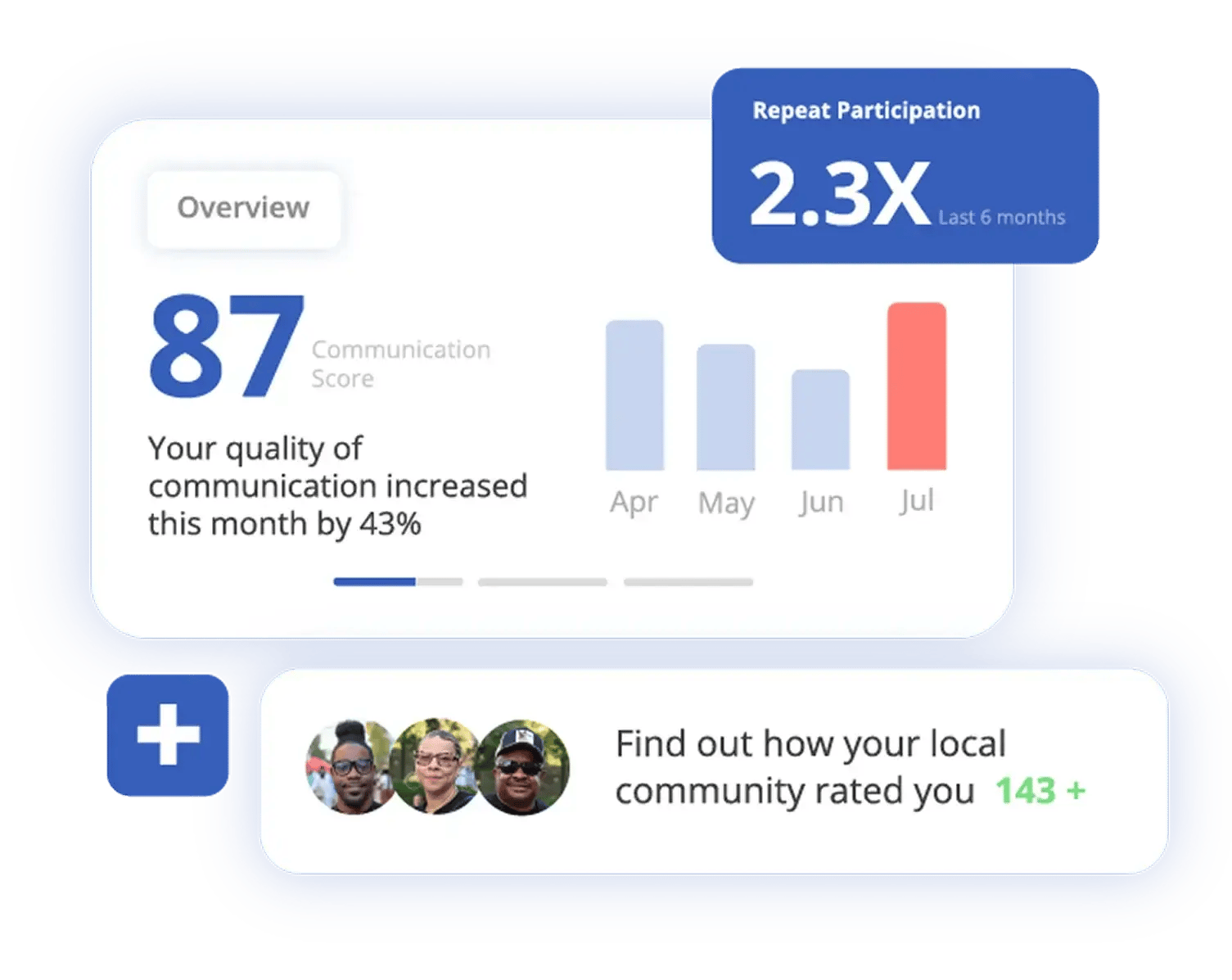
- Explore how Acclinate’s NOWINCLUDED platform and e-DICT™ work together to help organizations earn community trust and achieve lasting impact.
Achieving true health equity requires more than improving access. It demands equal opportunity for optimal health. And at the heart of that goal lies one foundational element: trusted community engagement in healthcare.
Without authentic, ongoing partnerships with communities, efforts to diversify research, improve outcomes, and close disparities will fall short. Here, we’ll explore why meaningful engagement is non-negotiable, how organizations must earn and sustain trust, and the ways Acclinate puts these principles into practice to create real impact.
Why Community Trust Must Come First
Too often, healthcare systems and research efforts approach communities with a top-down mindset—launching trials, initiatives, or outreach without first engaging the people they purport to serve. But real change begins when communities feel listened to, genuinely respected and invested as partners rather than subjects. Research shows that sustained, meaningful engagement with diverse communities is the foundation for advancing health equity. In other words: you can’t outsource trust. You have to build it.
One detailed brief underscores that community engagement must share power, be built on transparency and mutual accountability, and not simply become a “check-the-box” exercise. When these elements don’t come together, the result can perpetuate mistrust or fatigue among stakeholders.
This principle is particularly true in the context of research and trials: historically, under-represented communities often bring justified skepticism based on past mistreatment or exclusion. By anchoring efforts in trusted community relationships, organizations can remove a key barrier to participation and equity.
Defining Authentic Engagement (and What It Is Not)
When we talk about authentic community-based participatory research, we’re talking about going well beyond occasional meetings or leaflets. It’s a paradigm that includes communities as co-creators, decision-makers, and ongoing partners.
Here’s what authentic engagement is:
- Bi-directional communication: communities inform research/design, and research/operations respond and give feedback.
- Shared power: community members help set priorities, interpret results, and influence outcomes.
- Cultural responsiveness: activities reflect the linguistic, social, and historical realities of the community.
- Long-term relationships: engagement extends beyond a single study or moment, building credibility over time.
- Transparent feedback loops: communities see how their input was used (or not) and why.
And here's what it is not:
- A one-off survey or focus group done solely for compliance
- Outreach that is one-way (you tell, they listen)
- Engagement that expects community input but provides no influence or follow-through
- Using partners only for recruitment without shared governance
A 2024 review found that community engagement is still infrequently reported in health equity research—and when it is reported, only a small fraction of studies meaningfully engages communities at all stages. This gap highlights how much room there is for improvement—and how much advantage a genuinely trustworthy approach provides.

How Community Trust Becomes the Foundation for Stronger Outcomes
When communities feel truly engaged and trusted, several downstream benefits emerge:
- Higher participation and retention: Participants are more likely to enroll and stay in studies when they sense the organization understands them and values their voice.
- Better data quality: Diverse populations bring rich insights. When engagement is meaningful, it leads to more comprehensive, generalizable, and equitable data sets.
- Stronger outcomes: Ultimately, health equity is rooted in driving change. With community trust, research and health initiatives are more likely to deliver real and sustained impact.
- System transformation: As one model indicates, meaningful engagement can shift not only individual studies but entire systems and policies when done right.
In short: Trusted community engagement in healthcare is first the foundation, then the launchpad, for all the rest of the elements needed for advancing health equity.
How Acclinate Operationalizes Trust Through Community Engagement
Our approach to building community trust in health equity initiatives rests on three pillars:
- Transparency & respect: From the outset, we share intent, process, safeguards, benefits, and risks—so communities know what they’re joining and how their voice will be used. We emphasize culturally grounded respect: acknowledging historical harms, validating lived experience, and adapting engagement to each community’s context.
- Local partnerships & shared decision-making: We collaborate with local organizations, grassroots groups, and trusted messengers. These partners help design projects, shape outreach, and ensure that initiatives reflect community priorities. This moves us beyond tokenism into co-creation.
- Sustained relationships & feedback loops: Engagement doesn’t end when the study does. We build ongoing contact, report back results, measure impact, and refine engagement practices. Communities know their input mattered and see how it translated into action. It’s not a single moment—it’s a lasting partnership.
For example, our “people-first” model pairs these engagement practices with analytics built to identify underrepresented communities, then works to bring genuine representation into clinical research. This approach transforms trust into tangible results—increased participation, richer data, and stronger research outcomes.
From Trust to Equity: A Call to Action
Health equity is anything but an abstract goal. Rather, it is the real-world promise that every person, regardless of background, has an opportunity to thrive. But this promise demands that trusted community engagement becomes embedded in every phase of research and care.
At Acclinate, we believe that trusted community engagement in healthcare is non-negotiable—that it’s the foundation for health equity, the driver of better research, and the pathway toward stronger outcomes. Partnering with communities, respecting their voice, and delivering on our commitments is how we move from intention to transformation.
As healthcare changes—especially in clinical research and trials—those who prioritize authentic community-based participatory research and building community trust in health equity initiatives will lead the way toward more inclusive, effective, and equitable results. Because when communities trust you, they engage. And when they engage, everyone's wellness improves.
Ready to see how Acclinate can help you engage communities? Schedule a 1:1 with our team.