




Key Takeaways and Learnings
- Traditional clinical trial recruitment often overlooks the cultural context, leading to underrepresentation and mistrust.
- Culturally competent research fosters better relationships, more meaningful engagement, and stronger outcomes.
- Acclinate’s approach combines trusted platforms like NOWINCLUDED™ with predictive tools like e‑DICT™ to drive effective, inclusive engagement.
- Download our free resource on building culturally competent clinical research programs that build trust from the ground up.
Clinical trial recruitment is the backbone of research success. But for too long, recruitment efforts have been designed around convenience and compliance instead of connection.
When outreach ignores the lived experiences, cultural context, or deep-rooted mistrust held by historically underrepresented communities, the result extends beyond subpar recruitment. Inclusion lags, affecting treatment efficacy and, ultimately, outcomes.
At Acclinate, we understand that effective recruitment starts with respect. That means understanding a person’s values, recognizing their community’s history, and building relationships that exceed trial participation. Let’s explore how culturally informed outreach—paired with long-term community investment—leads to higher enrollment, stronger retention, and more meaningful participation.

Why Traditional Recruitment Misses the Mark
Pharma sponsors and CROs often prioritize speed, scale, and protocol when building their recruitment strategies. However, those priorities don’t resonate with communities of color and other underrepresented groups who have long been excluded from—or harmed by—healthcare and clinical research systems.
Common shortcomings include:
- One-size-fits-all messaging that ignores cultural nuance.
- Lack of representation in imagery, language, and leadership.
- Overreliance on digital channels that don’t reach offline populations.
- Little (or no) community input in trial design, site selection, or delivery.
These gaps symbolize more than operational mishaps. They present palpable operational failures that can put entire studies at risk. Without inclusive clinical trials, sponsors could experience skewed data, longer timelines, missed endpoints, and non-compliance.
The Role of Cultural Competence for Inclusive Clinical Trials
To build trust, clinical trial recruitment must go beyond awareness. It must be culturally competent—rooted in understanding the beliefs, values, and historical context of the populations being engaged.
As the Health Policy Institute at Georgetown notes, cultural competence in healthcare is essential for improving outcomes and reducing disparities. The same applies in research. Culturally tailored recruitment efforts are more likely to result in successful participation among diverse groups.
At Acclinate, our model emphasizes what we call affective trust—trust built through emotion, relevance, and shared experience. Cognitive trust (based on facts or credentials) alone doesn’t move communities to take action toward better health. But when people feel seen, heard, and respected, they respond.
Community Investment Is Not a Campaign
Classically, clinical trial recruitment takes the “plant a flag and leave” strategy. CROs go to a community, put up a sign, try to reach their quotas, and disappear until their next study. But research shouldn't begin with an ad and end with a signature. One’s health is personal. It’s not just a list of symptoms. It’s a journey inherently tied to identity.
That’s why recruitment should really be a continuation of a well-established relationship grounded in trust. Our approach powers this culturally competent framework with:
- NOWINCLUDED™, our community platform that provides culturally safe spaces for education, conversation, and activation.
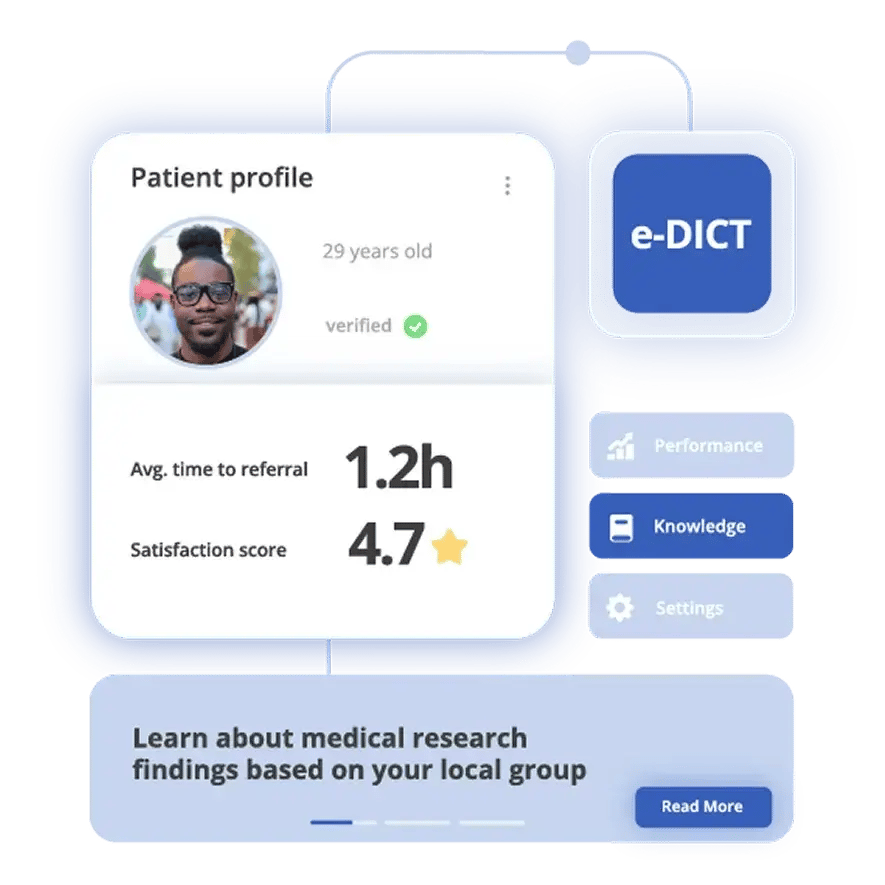
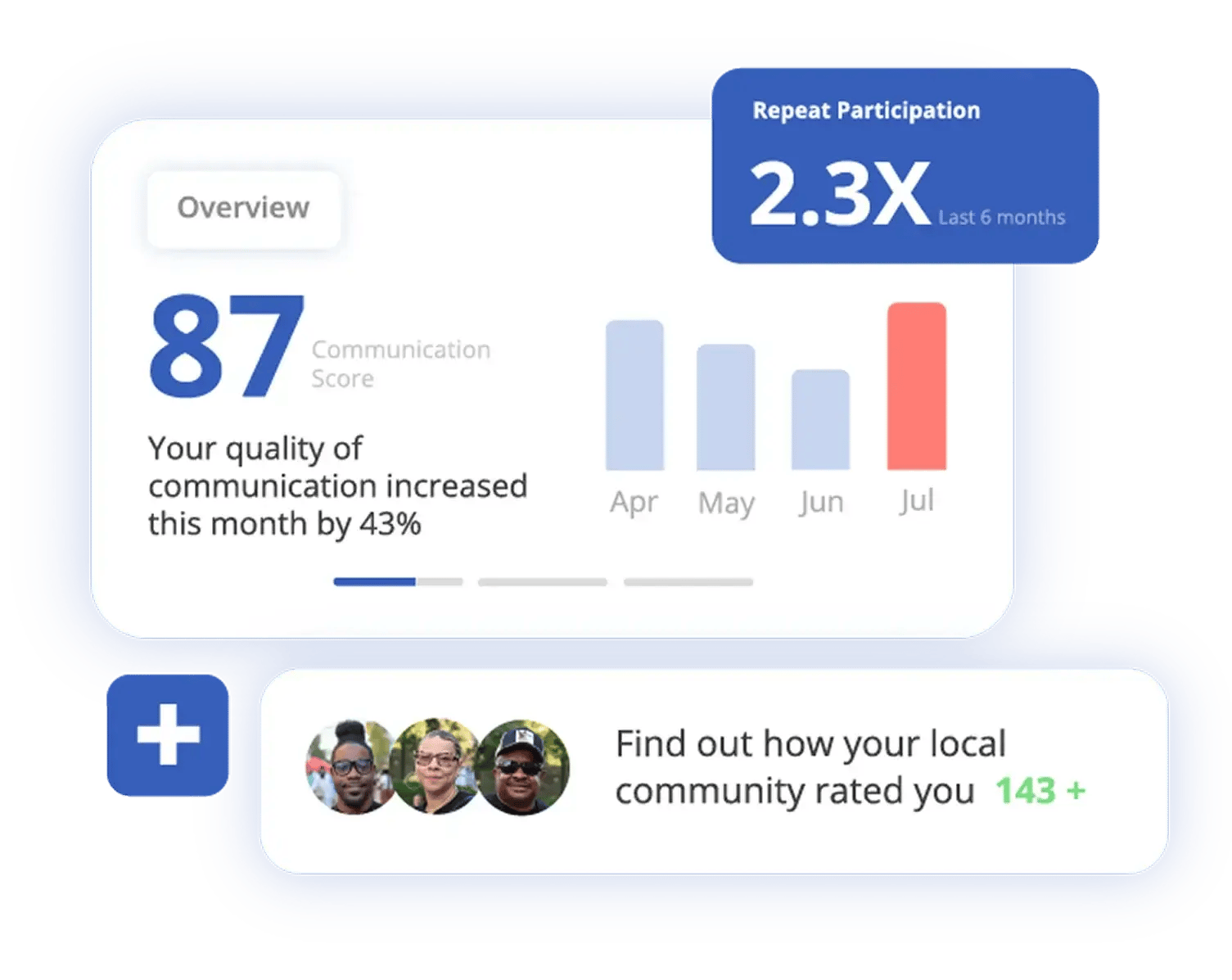
- e‑DICT™, our predictive analytics tool that helps stakeholders understand when, where, and how to engage participants with precision and cultural sensitivity.
- Long-term partnerships with local organizations, faith leaders, and advocates who act as trusted messengers.
We’ve learned that when you co-design with community, you don’t have to “convince” people to raise their hands. They already feel part of the mission. And when they experience the value of engaging in dialog about their health journeys, they’re more likely to understand the benefits of participating.
How to Embed Respect into Your Recruitment Strategy
Ready for an engagement strategy that actually works for underrepresented communities? Start here:
1. Involve community voices from the start
Don’t just bring in input at the outreach stage. Invite communities to help shape trial protocol, materials, and delivery from day one. That includes putting careful consideration into who you hire as investigators and who you connect with on the ground.
2. Train for cultural competency
Ensure research staff and trial sites are equipped to engage across cultures, with humility and care. Analyze promotional materials and ensure they reflect the communities you’re trying to engage.
3. Move beyond transactions
Provide health information, support services, and resources that benefit the community—regardless of whether someone enrolls. Give people platforms to share their stories, amplify their concerns, and relate to one another.
4. Use smart tools for human-centered outreach
Platforms like e‑DICT™ can help target outreach without losing the personal touch. Pair data with dialogue by listening first and leveraging analytics to improve outreach.
Broadening COPD Trial Representation Through Community-First Engagement
Between April 2023 and July 2024, Acclinate partnered with a leading biotech firm to boost inclusion of Black and African American individuals in COPD research across Atlanta, Birmingham, Detroit, Miami, and Houston using its NOWINCLUDED™ platform. Here's the impact:
- 1.2 million people reached with culturally tailored lung health and COPD education
- 54,000+ engaged community members through digital and in-person outreach
- 8,620 offered a trial opportunity via NOWINCLUDED’s lung health community circle
- 56 participants initiated a pre-screening for COPD research
- ~40% of enrolled Black/African American participants came through this partnership
The initiative combined 36 local events, nearly 50 in-person activations, and over 140 stories shared through NOWINCLUDED™ to create a network of trust. This is what culturally competent research looks like in action: sustained engagement, meaningful connection, and measurable outcomes.
Respect Is the Real Change-Maker
Traditional recruitment has been about reaching people. But effective, equitable engagement is about reaching people the right way. The truth is that communities of color have been historically marginalized in research. And building authentic, lasting relationships will be essential for leveling the playing field.
That’s why, at Acclinate, we never start with protocol. We start with people. Our model proves that when recruitment respects culture and community, representation becomes a priority.
Want to learn more about our community-based approach? Schedule a 1:1 meeting with our team.